
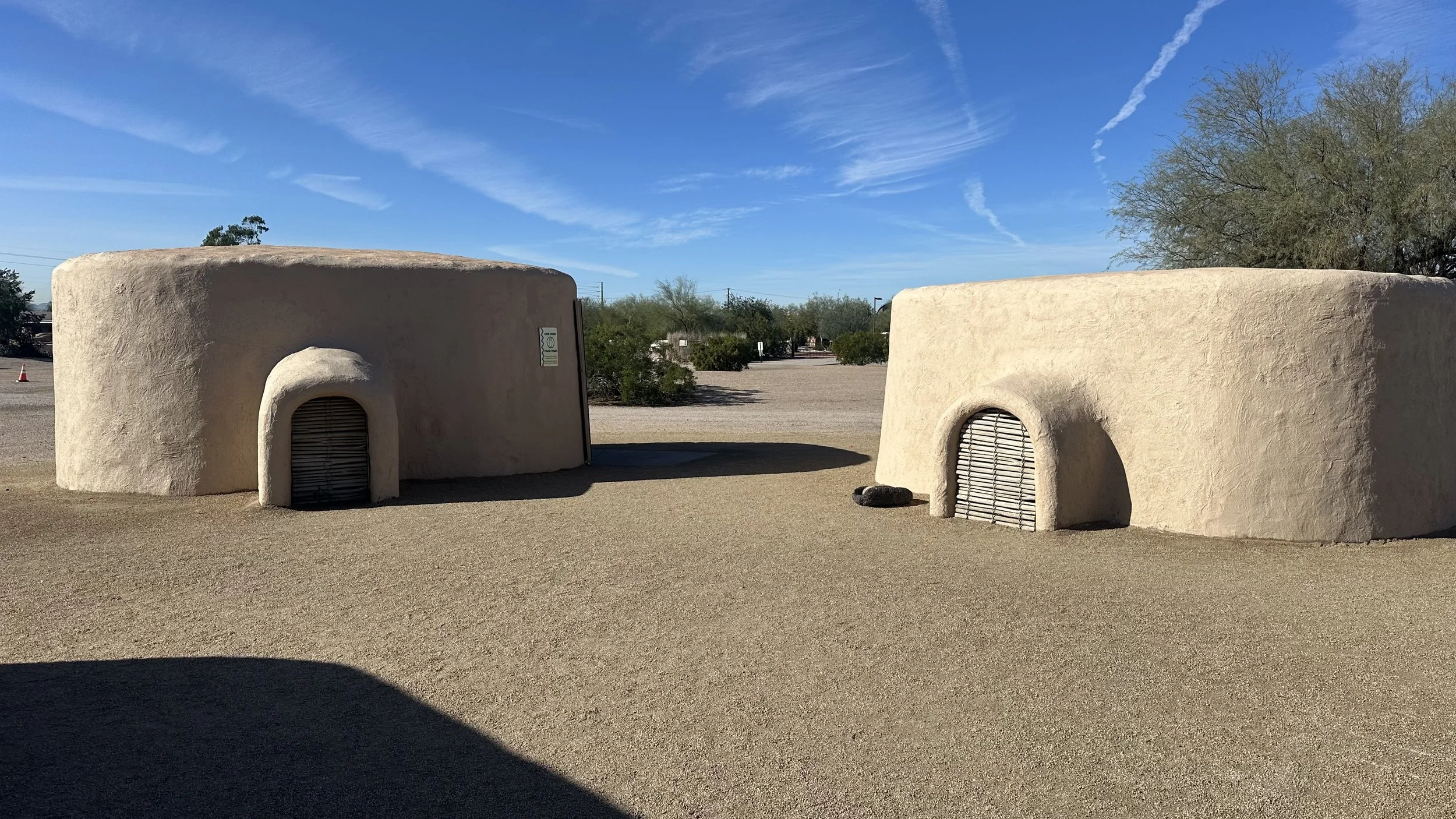
S'edav Va'aki Museum (Pueblo Grande Museum)
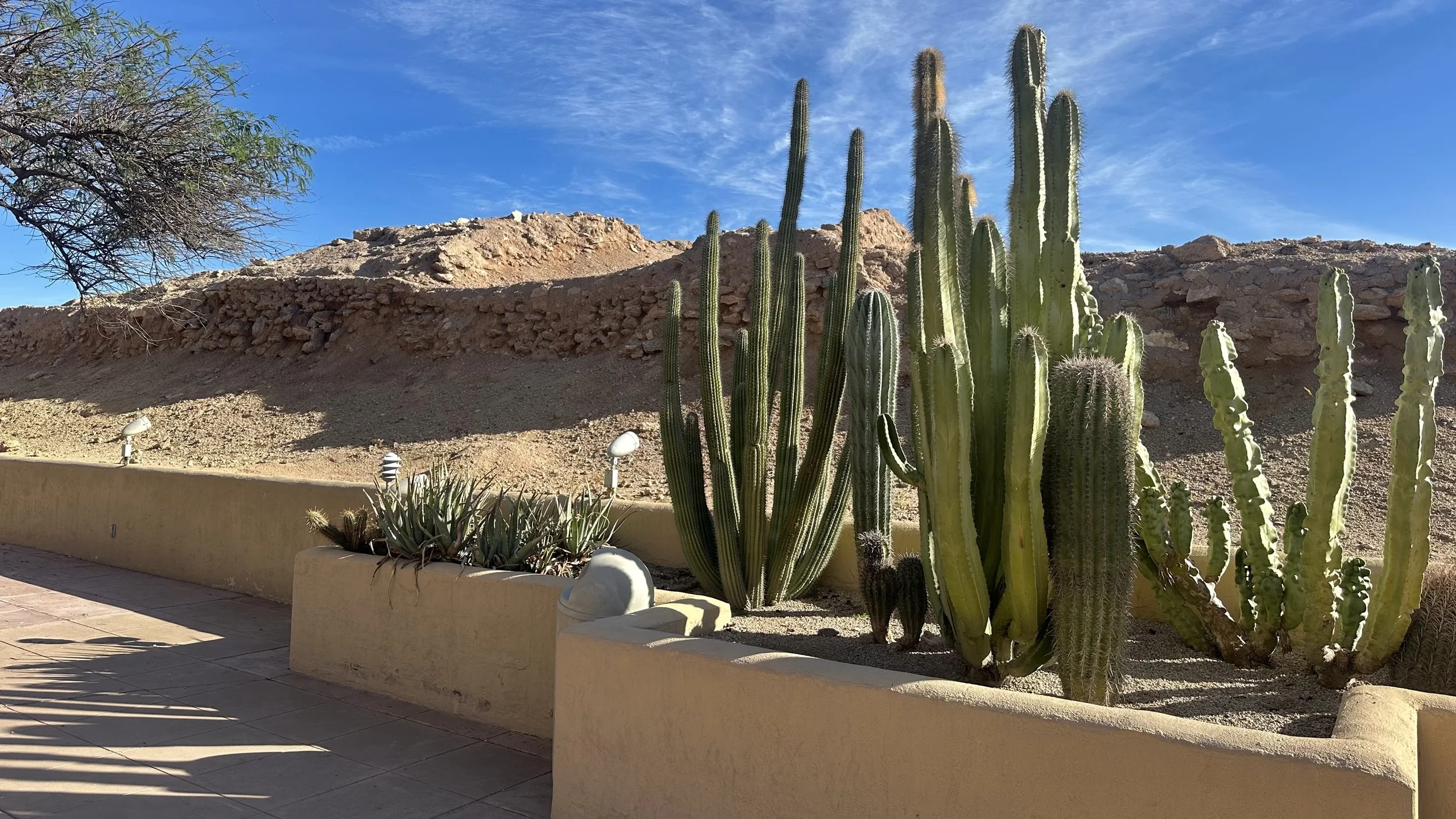
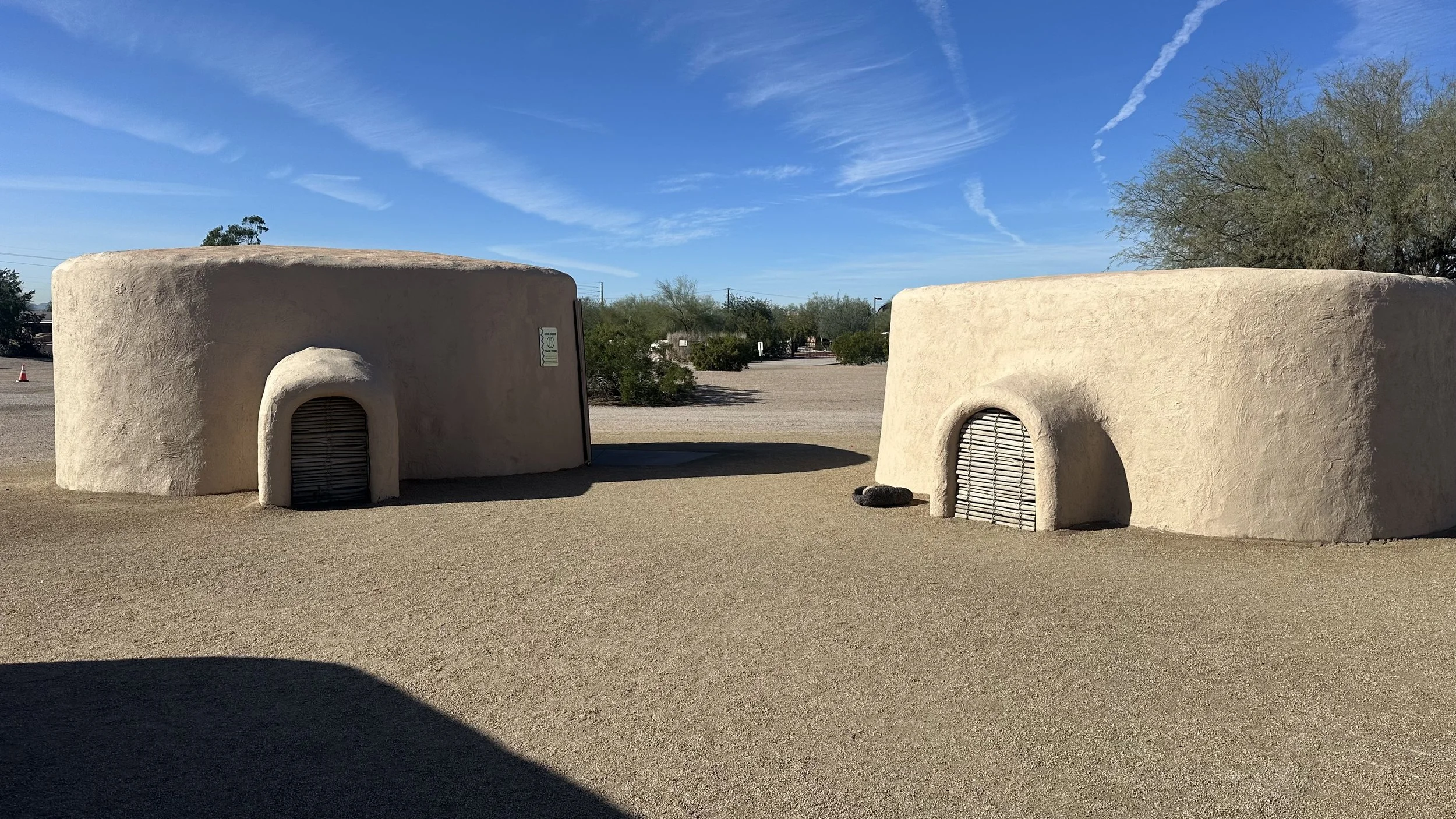
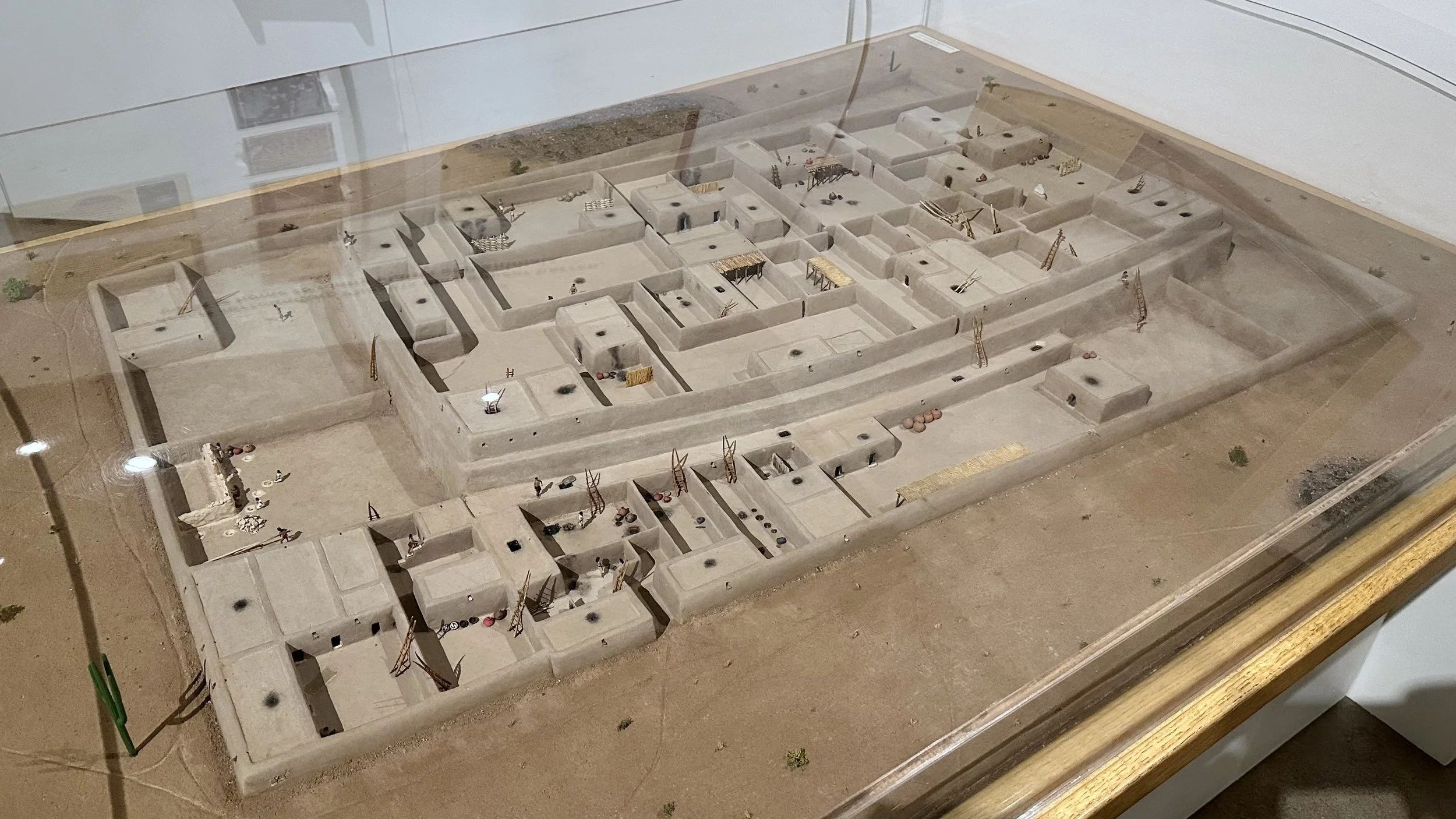
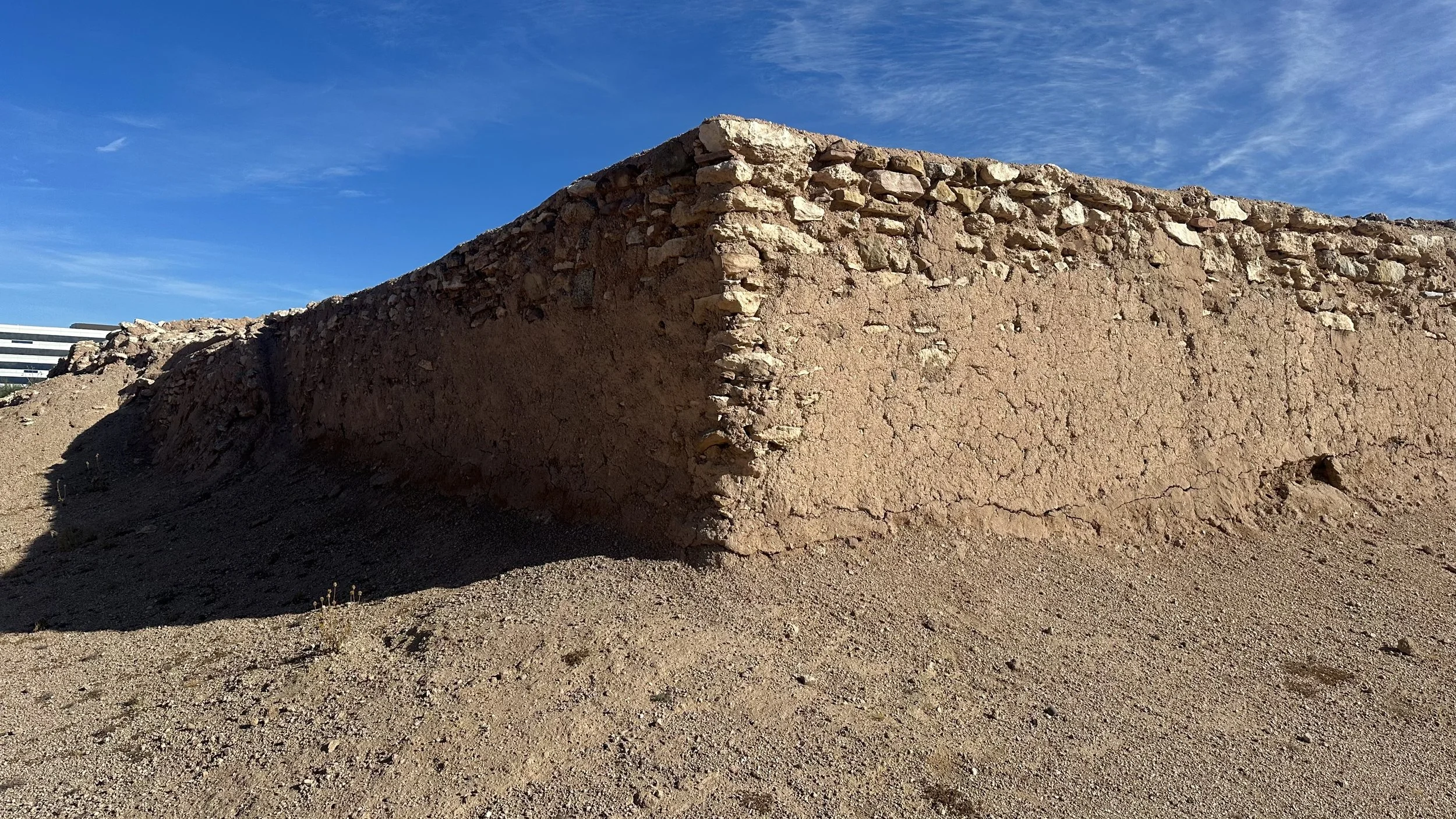
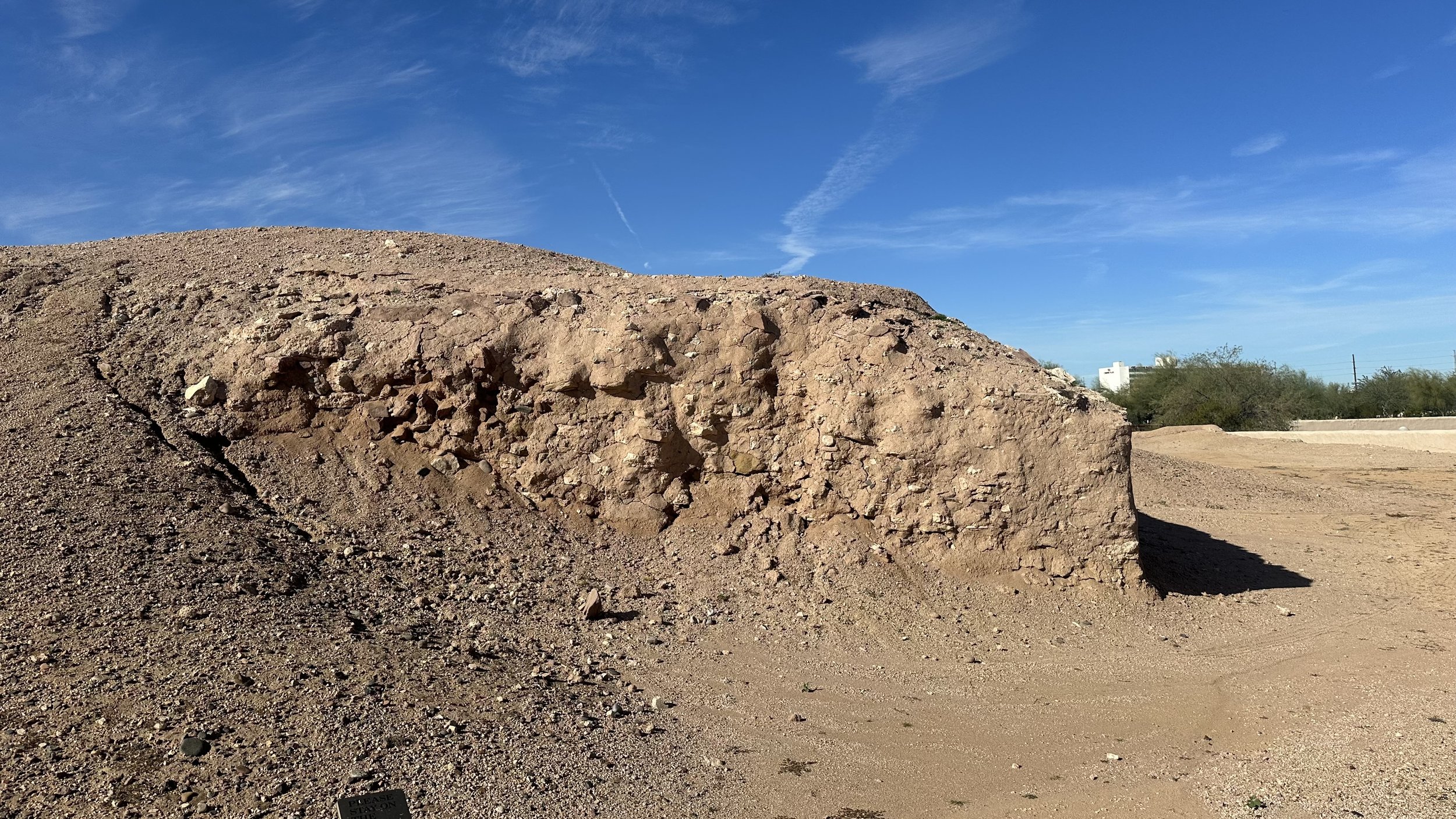
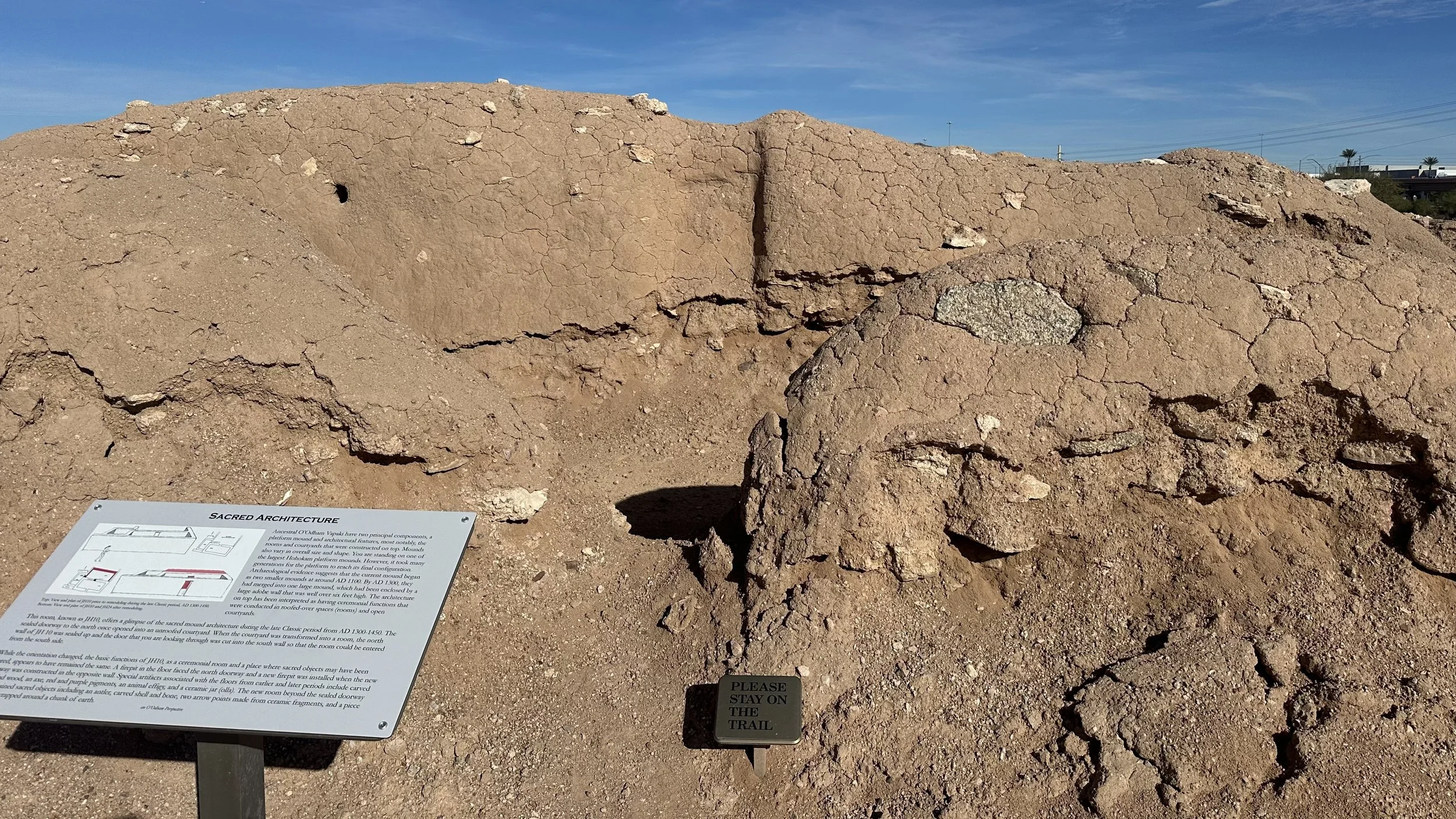
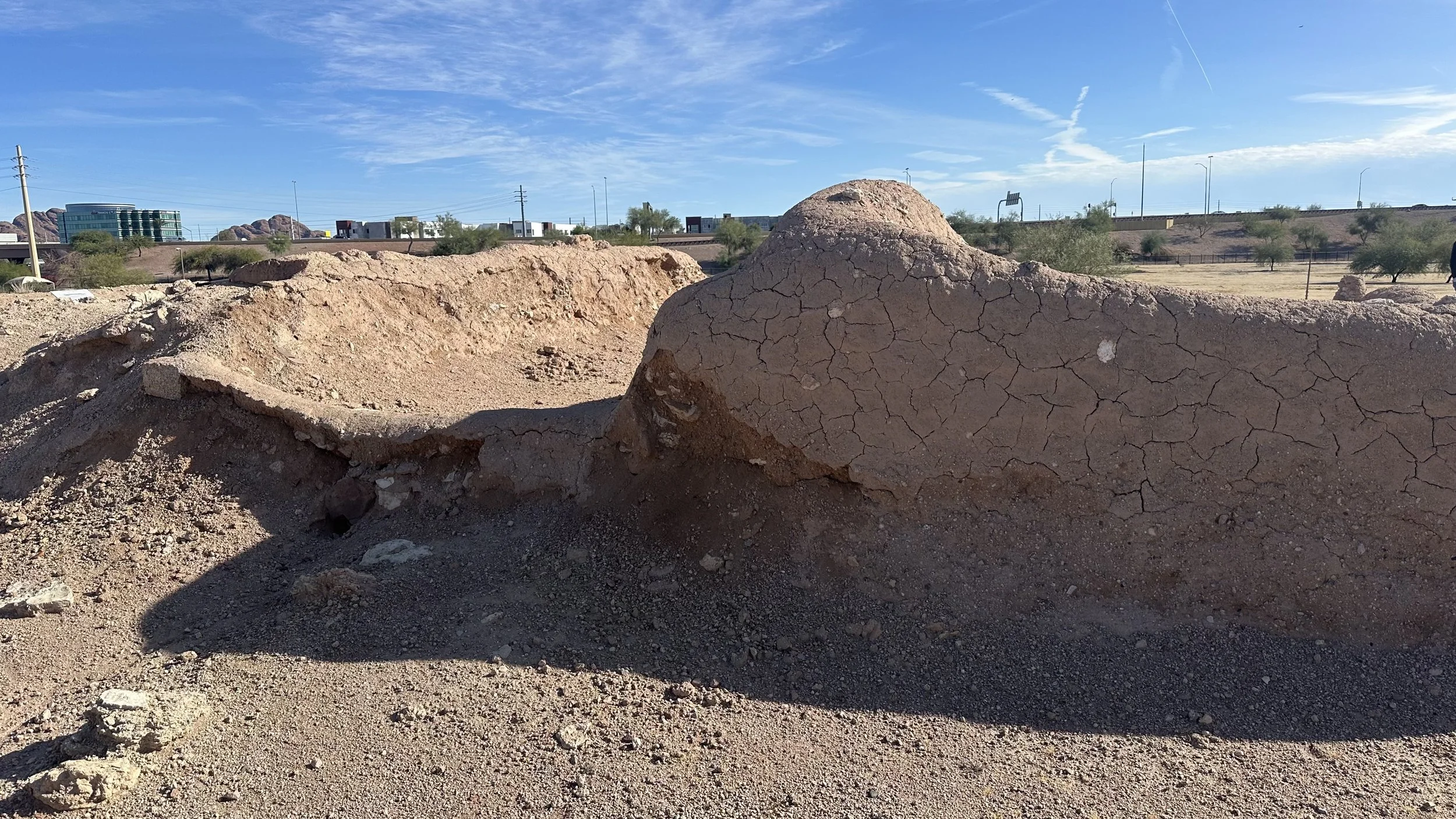
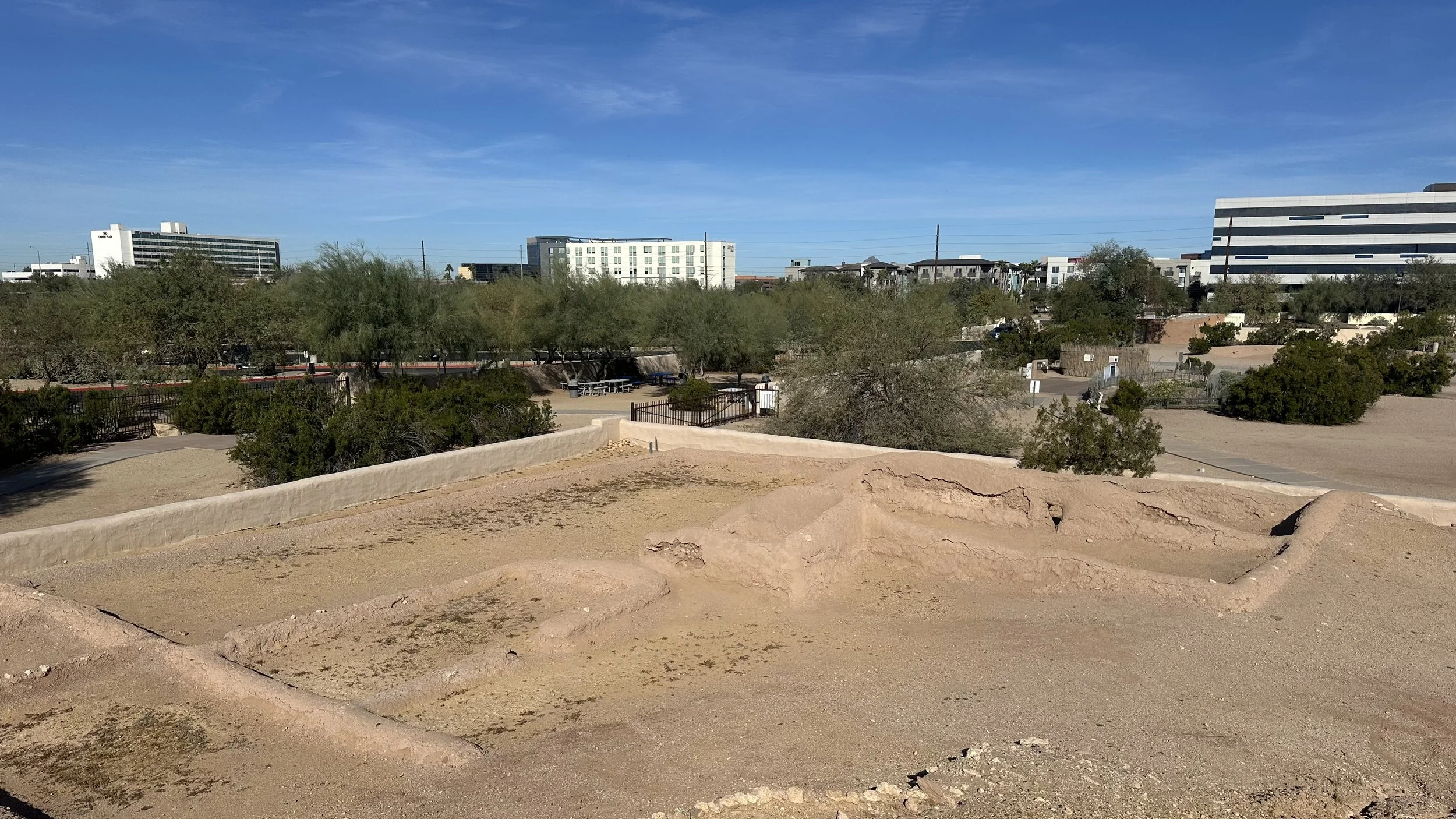
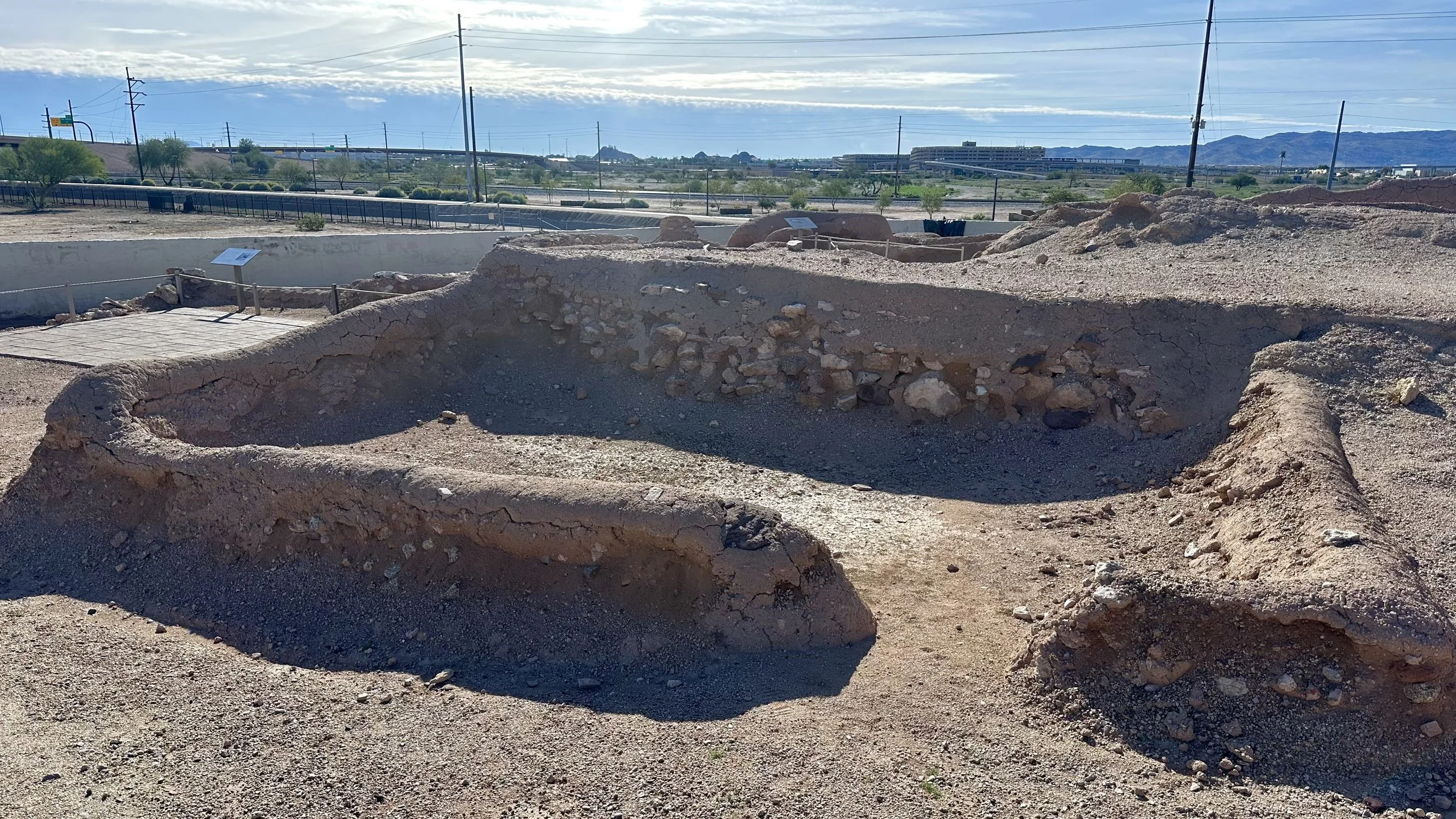
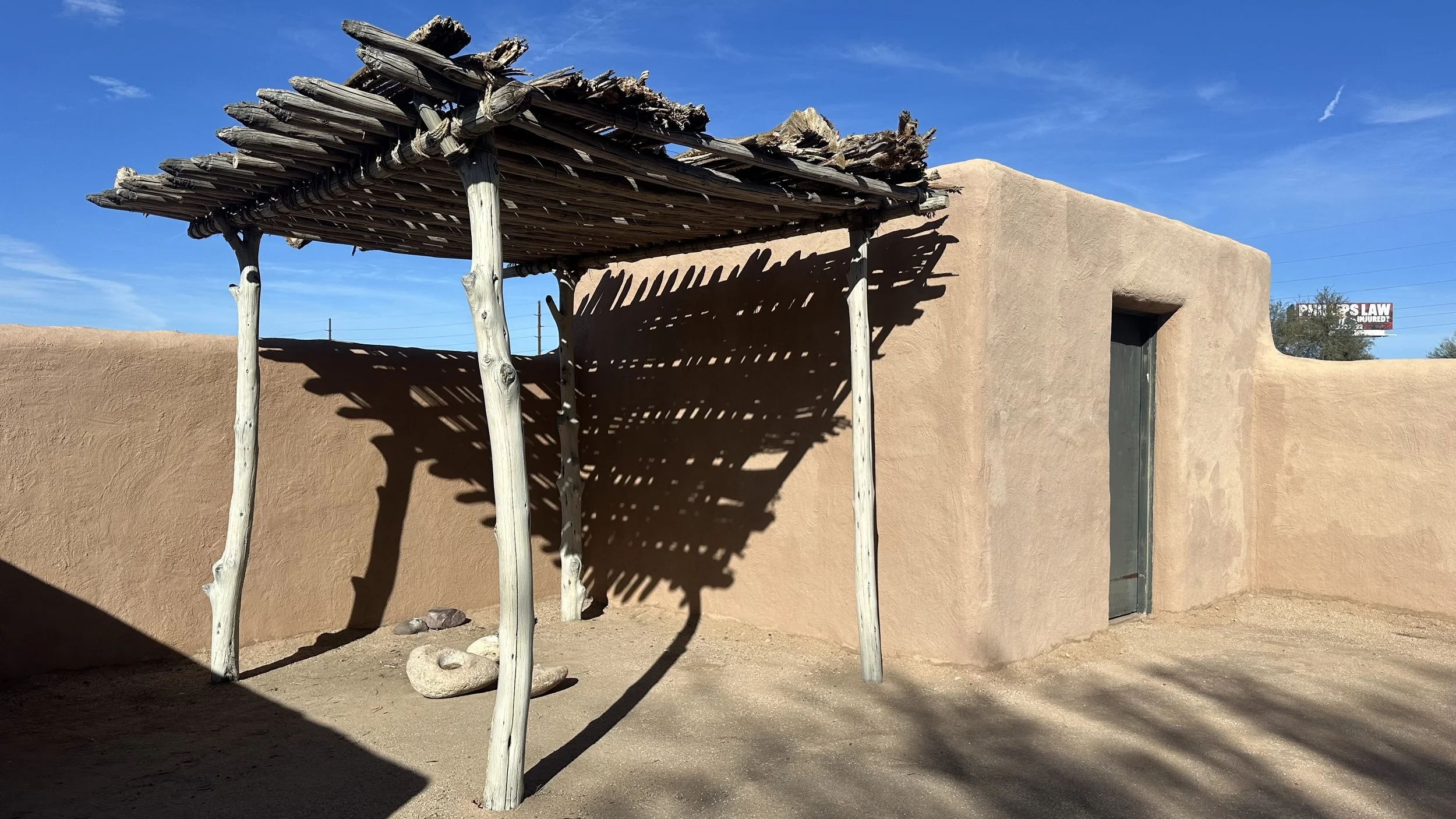
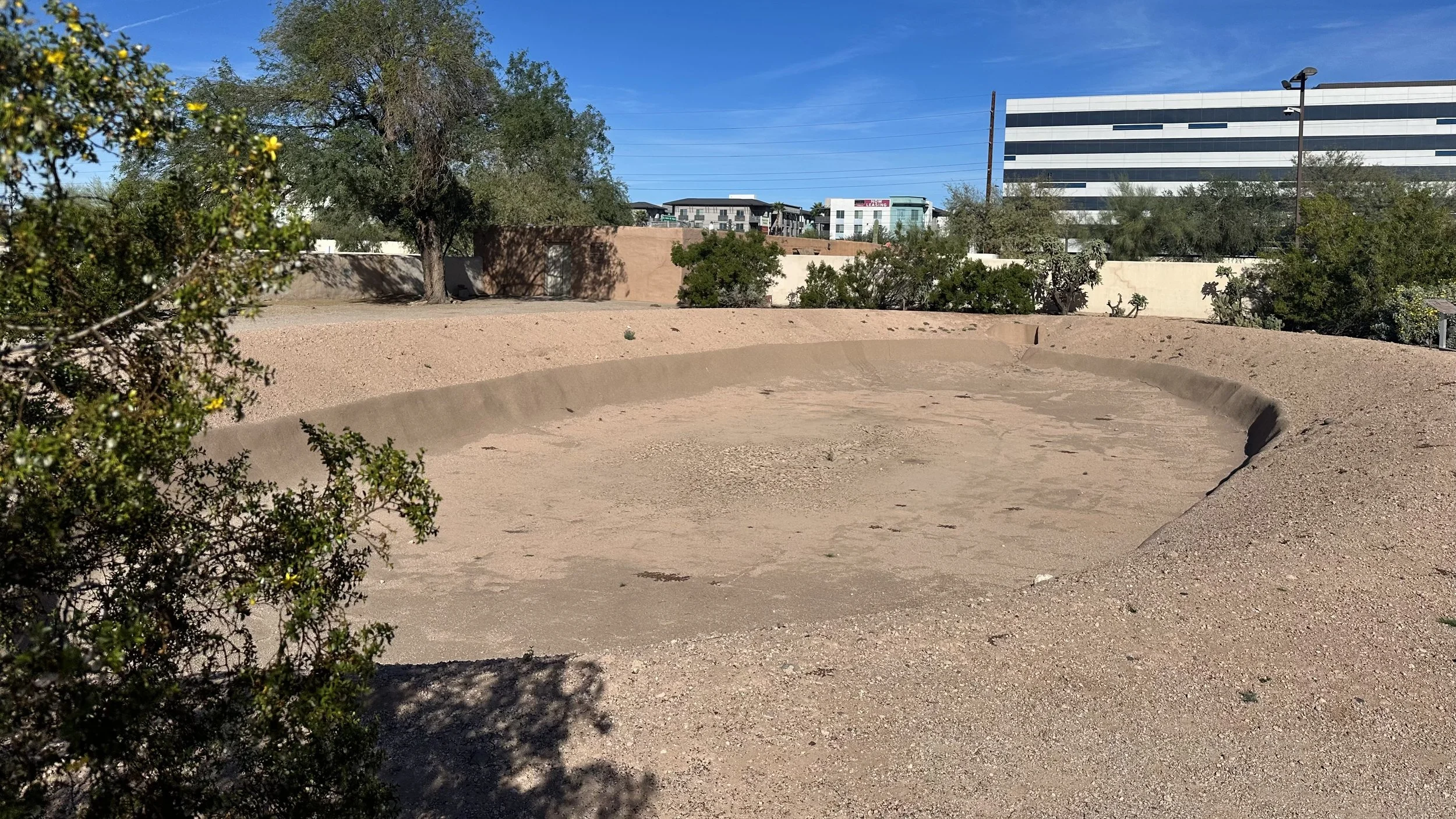
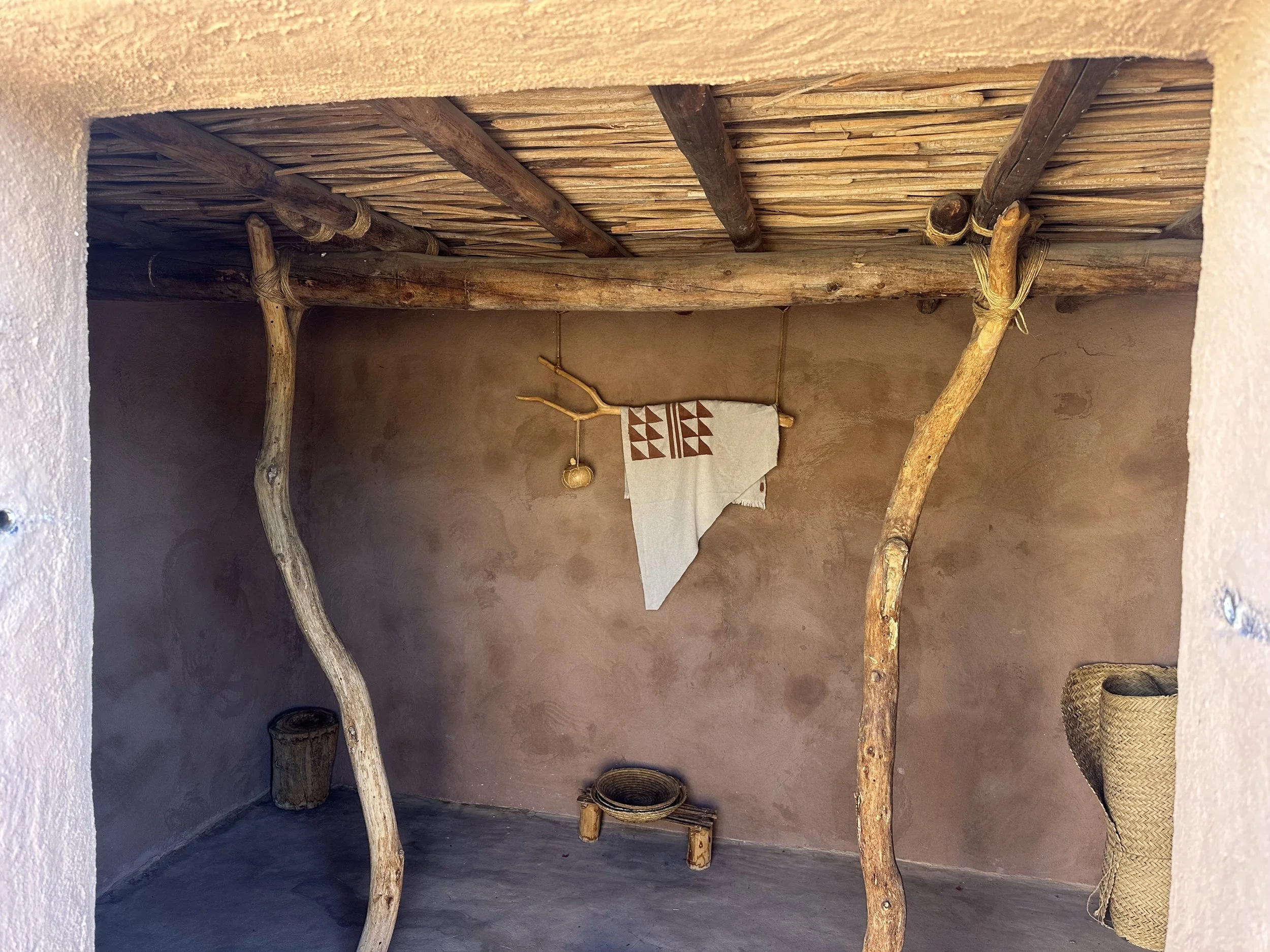
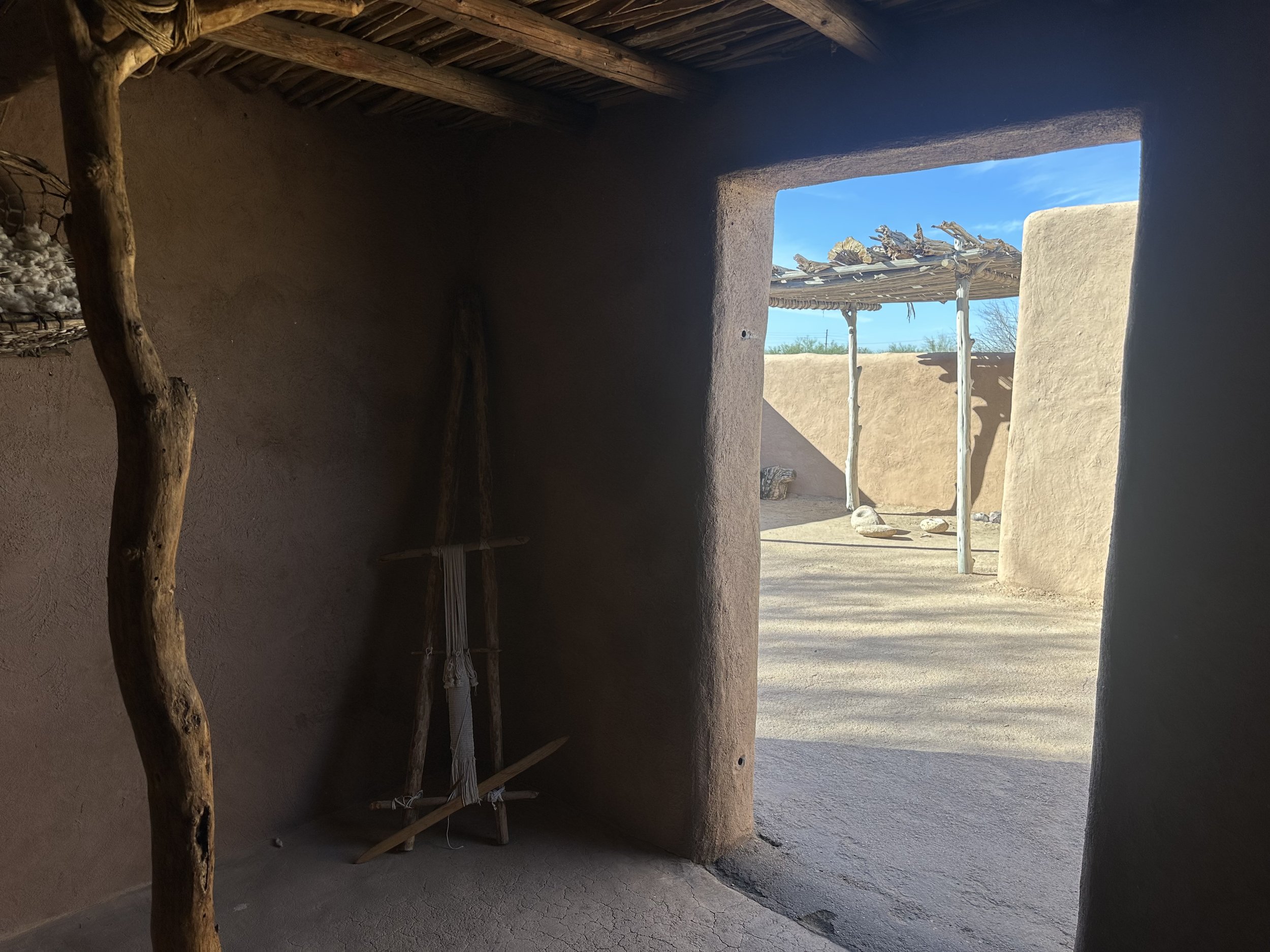
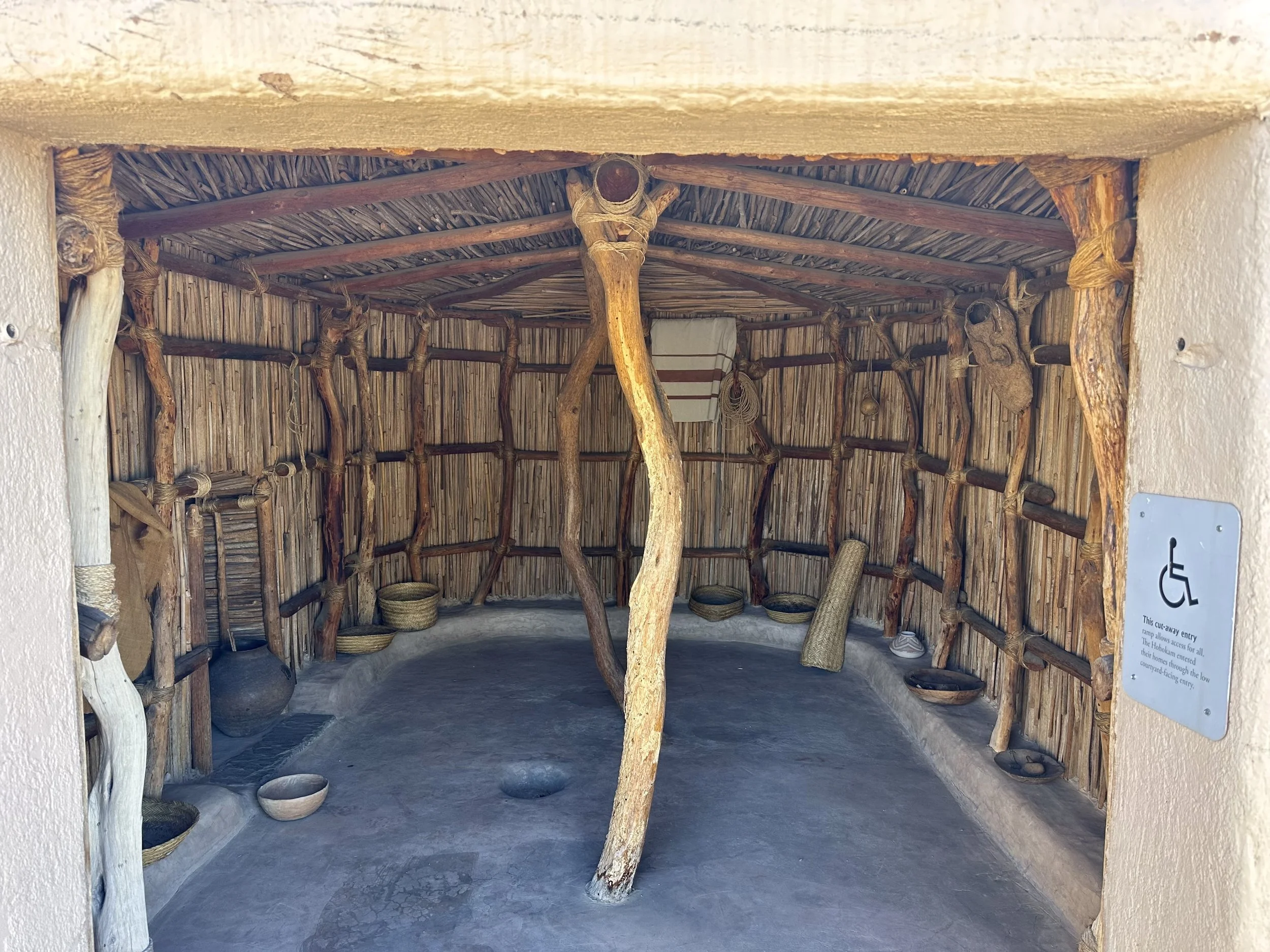
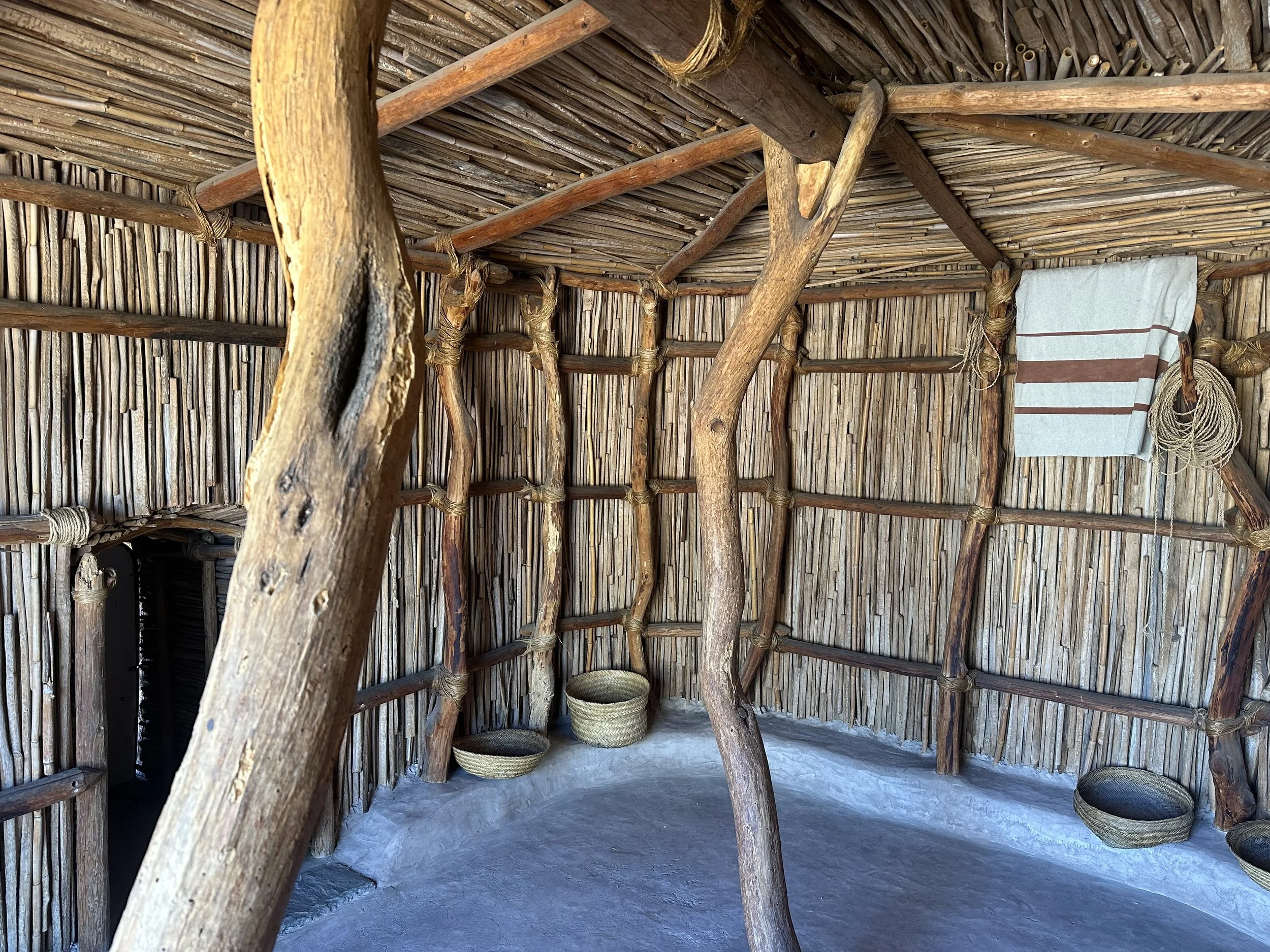
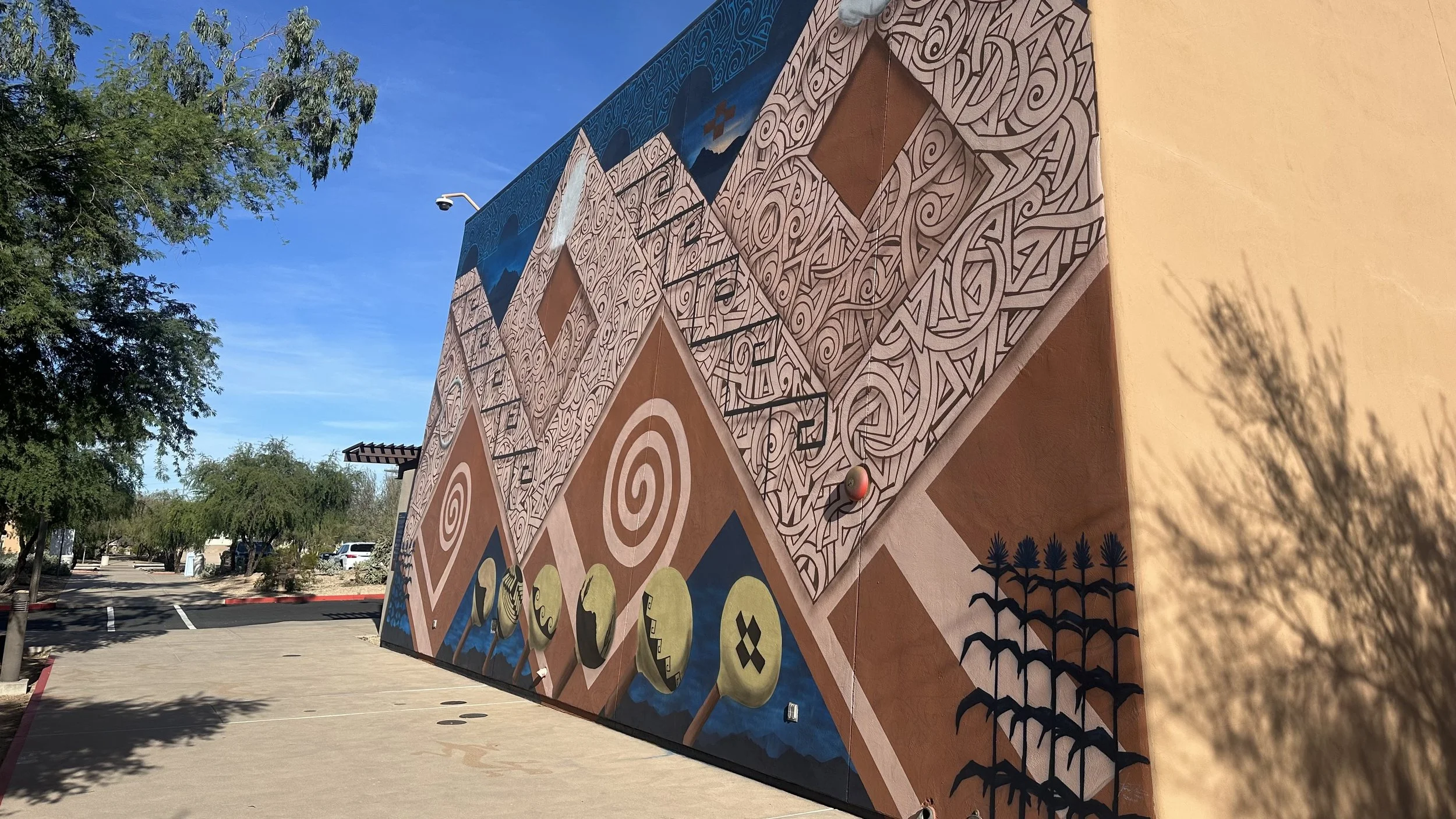
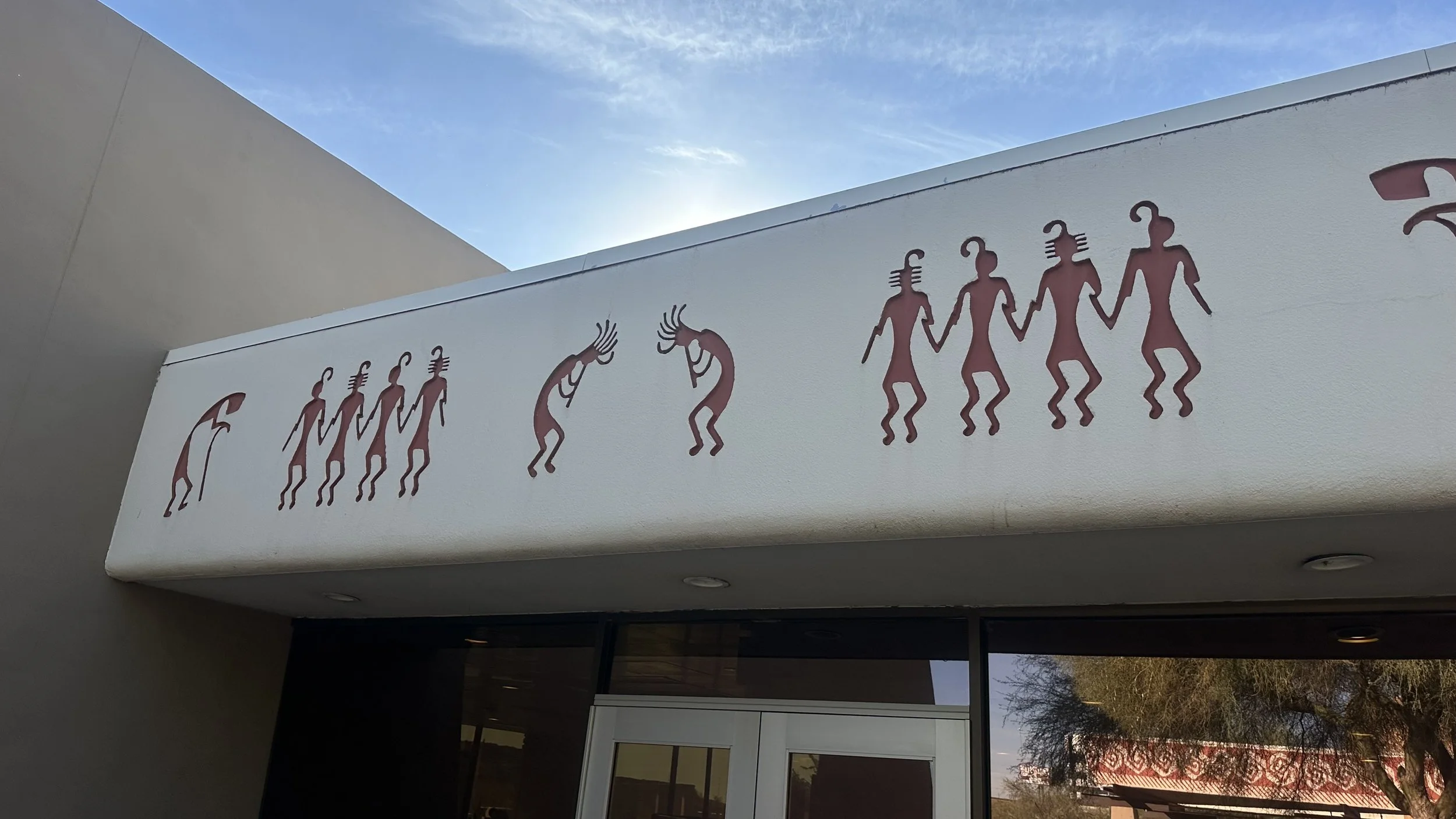
The S’edav Va’aki Hohokam Platform ruins is a National Historical Landmark and Museum near the Phoenix airport. The Platform Mound is one of the largest of the 95 found in Arizona. There’s a small amount of artifacts (mostly recreations) in the museum itself but the real treat is the still standing, although crumbling ruins. You can also see one of the many canals the Hohokam built that is still in use today. There is also a Mesoamerican ball court that you can walk around outside.

Around AD700, there seems to be enough regional variation in the style of pottery of the Southwest to allow researchers to separate the area into three groups. We know one of them, the Anasazi, another is the Mogollon, which we’ll talk about shortly, and then there’s the Hohokam.
Most of their fun begins right before Chaco takes off, and it’s explosive growth forces a geopolitical reaction in Chaco itself to either rise up or get knocked off. As we know, Chaco rises up at the same time that the Hohokam seemingly collapse and the two aren’t unrelated. But we’re getting ahead of ourselves… dang, we really just cannot avoid those Anasazi… well, neither could anyone else in the Southwest at the time. Anyways, Plog says this of the Hohokam who, quote, inhabited the stark and arid desert areas of southern Arizona south of the Mogollon rim, and extreme northern Mexico, with settlements extending northward toward flagstaff during some periods. End quote.
So, the Hohokam of Arizona had Maya style ball courts and platform mounds like the Maya, awesome. They also imported Macaw feathers, copper bells, and shells from Mexico. Not to mention ceramics from the Anasazi and Mogollon. But on a smaller scale, the people lived just as their ancestors had and neighbors did; in shallow pit houses. Different from their neighbors to the northeast though, the Hohokam habitually cremated their dead and had for a very long time. They also painted their ceramic vessels with red paint that had geometric and life forms decorating them. They too grew corns, beans, and squash but also cotton and agave. They gathered cactus fruits and mesquite beans and hunted rabbits and deer. The Hohokam are probably most famous for their extensive canal network that is both still visible and still in use right up to today by the city of Phoenix and its suburbs. A few of these canals and ditches run for 10 to 15 miles from the main water source of the Gila and Salt Rivers. As Lekson puts it, quote, Phoenix is famously not tropical; but the ancient investment in canal irrigation created agricultural potentials that approached tropical (agricultural) conditions, transforming the stinking desert to garden spot. As far as the crops knew, the valley of the sun was rather like a rainforest. End quote.
The Hohokam’s religious practices and architecture are more similar to their southern neighbors in Mexico like the Maya groups than the puebloans which is most likely because the geography dictated that trade with people to the south and the west was easier than with people to the north and the east. But clearly the Hohokam were enamored with the South, even to the point of transforming their landscape into a southern one.
The first mesoamerican style ball court was constructed in the 8th century which also coincided with a rapid increase in the population and number of irrigation ditches with those canals. And coincides with the creation of a southern style government in Chaco… hm… By AD 1000, there were two dozen ball courts in the Hohokam region with platform mounds and special crematory areas accompanying them but that number would quickly increase. Out of the thousands of Hohokam village sites, 225 have ball courts that archaeologists know of so far. Most of those ball courts exist within 60 miles of a place known as Snaketown, which is the largest Hohokam site, at this time, and is located near Phoenix. It housed around 500 people by the mid 11th Century, had two impressive ball courts, and large houses and crematory pits in the center of town. Plog points out that archaeologist David Wilcox not only believes the ball courts were constructed in a manner relating to ceremony but that he also, quote, believes that the ball court may have served as a sacred context for settling feuds, creating social alliances, and promoting trade among the growing number of hohokam communities. End quote.
Those larger houses with ball courts nearby, big crematory structures, and the mere existence of the canal system definitely suggest some sort of hierarchy that existed for the Hohokam. While the Hohokam suffer a lot less from the Pueblo Mystique since… modern pueblos don’t seem to have descended from the people, but they still have that Southwestern bias of shying away from being labeled as having a ruler. But there is nowhere else on earth that has this many controlled and regulated canals that doesn’t also have a king or at least a bureau of canals ran by a group of maybe princely chiefs?
The most important Hohokam villages in the Phoenix Basin later on were scattered along the major irrigation canals which distributed that precious precious water. These villages were about 3 miles apart, all comparable in size, and were typically located at the ends of canal networks. There, they served as the primary administrative and ritual centers and coordinated canal use and probably resolved conflicts over said precious water. Some of these villages may have housed 1,000 people. The most important of these villages is known to us as Mesa Grande and it had a special enclosed compound and ball court.
Just like the Anasazi, the Hohokam filled every nook and cranny they could as population exploded in the 1100s. The area they occupied increased threefold as they inhabited more and more difficult areas to irrigate and farm with steeper slopes and less predictable water. They were also constructing large houses, great mounds that overlooked the land, and quite a few highly defensible hilltop forts, suggesting conflict and competition were brewing. And very curiously, while this construction was booming, the building of ball courts, subsided. Now here’s where our story somewhat overlaps with Chaco which never subjugated the Hohokam but definitely began to excerpt some meaningful influence over them.
By the early 1100s, just as Chaco began to rise, these ball court villages of the Hohokam had seemingly collapsed during a period of rapid change and many places are abandoned. Where people stayed, there are clear signs of social reorganization and further change. Populations continued to rise but were concentrated in a more limited number of locations as newer towns were planned, built, and settled in. It’s believed the Phoenix Basin reached a population of up to 60,000 people, all of them living along the extensive canal system, which is one of the densest populations in north America in all of prehistory! But cultural aspects also changed for the Hohokam. They began burying a larger number of their dead as opposed to cremating them, which they had done for a very very long time. Some of those burials were in cemeteries while others were in the floor or walls of their expanding pueblos… imagine plastering over the body of your loved ones and sleeping next to them each night as they’re entombed in the walls around you… Anyways, ornate ritual artifacts like projectile points, stone bowls, and others which had been important, virtually disappeared. Even their architecture changed rapidly. Instead of ball courts, more platform mounds began to rise up. And some of these platform mounds were enormous with one such platform requiring one million two hundred and thirty-five thousand cubic feet of earth fill to create. That’s a lot of people and a lot of hours and a lot of hard work.
Another curious factor of change is the fact that they began to hide their rituals from some people within the community. The Hohokam began to build walls around their platform mounds and structures on top of them. It seems the ballcourts that were still around by 1250 weren’t used for ceremonies anymore but instead only these massive mounds were and not everyone was able to participate. Plog suggests that this is because the elites were hiding ritual knowledge which is probably true, yes. But what if they weren’t hiding their ritual knowledge from people within their own community but instead from newcomers from the north? People asking for sanctuary as the spiral unraveled in that Mustard colored valley. People from a different culture who shouldn’t be allowed sacred or important ritual knowledge. Regardless of the reason for the protection of their culture; hierarchy, competition, alliances, divisions, and politics existed at this time for the Hohokam.
But like the Anasazi, the Hohokam’s fate was already sealed by the 13th century and soon they too will have disappeared. How much influence the Chacoans had over that is for the next episode. From Lekson… In the thirteenth century, the phoenix basin was teeming with people, several tens of thousands. They did wonderful things-developments economic, political, and artistic- that in my opinion, overshadowed Chaco; all supported by a truly remarkable infrastructure of irrigation canals. By 1450, only a few ragged settlements remained. Of course, that story is contested, but David Abbott’s 2003 book, centuries of decline during the hohokam classic period, tells a pretty grim tale. It’s hard to imagine a more complete collapse.